


Confidence Coaching Toolkit
Body Confident Coaching: Why It Changes Everything for Athletes
Coaching can keep girls in sport and empower them for a lifetime of confidence.
Why This Matters
Can you think of a coach that completely changed your athletic trajectory? What qualities made you feel that way?
Every athlete remembers the coach who makes them feel seen, not just their performance. Coaches don’t just teach skills; they shape how athletes feel about themselves on and off the field, how they face challenges, and lead. Research shows that the quality of coaching plays a central role in whether girls stay in sports and develop lifelong confidence.
If you’re a coach and ever wondered how to navigate conversations about the unique psychosocial experiences that girls face throughout the season, from body image pressure to messages about effort vs. appearance. We’ve got your back. The best coaching that builds belief, resiliency, and belonging for every athlete.
 Meet the 2025 Coaching Icons (Women's Health).
Autumn Lockwood, Erin Matson: Dawn Stanley, Rebecca Lobo, Emma Hayes, Katie Schumacher-Cawley.
What the Research Reveals
According to the Coaching Through a Gender Lens report, coaches are one of the strongest predictors of whether girls stay in sport.
Athletes are far more likely to continue playing when they feel supported, valued, and encouraged by the adults leading them. Positive coach-athlete relationships are directly linked to higher enjoyment, stronger confidence, and longer-term participation, especially for girls navigating adolescence.
This goes well beyond wins and drills.
Girls respond best to coaching environments that:
- Treat mistakes as part of learning, not failure
- Prioritize skill development, effort, and enjoyment over constant pressure to win
-
Build trust through consistency, empathy, and clear communication
The Calls for Coaches emphasize that great coaching is not just about technical instruction. It’s about creating conditions where athletes feel safe to try, grow, and belong.
Research also highlights the power of reflective coaching. When coaches are aware of how their language, expectations, and attitudes shape athletes’ self-perception, sport becomes more inclusive and more sustainable. Reflective coaching practices have been shown to reduce harmful body-related messaging, strengthen confidence, and make sport a place girls want to stay, not leave.
When coaching is done well, it can change the trajectory of a girl’s relationship with sport for life.
What This Means On & Off the Field
When a coach creates a safe, encouraging environment, where every athlete on the team is valued and contributing that’s powerful. Evidence-based programs like Project Play’s Resources for Coaches equip coaches with tools to support athletes’ body confidence and self-esteem, not just technique. These programs have been designed alongside researchers and girls themselves to address the very reasons many girls quit sports: low body confidence and lack of supportive dialogue in practice or competition.
Here are 3 principles to start applying today:
- Teach progress, not perfection: While the stats of the game are crucial, take time to celebrate effort, curiosity, and resilience
- Build trust first: Ask how athletes are feeling, listen actively, and make space for vulnerability. Research shows this strengthens both confidence and retention.
- Learn from peer coaches: Just like every athlete, every coach brings their unique experiences and skills to the game. Learn from each other, and be open & honest about what clicks & doesn’t
When coaches focus on how they communicate about bodies, goals, and performance, athletes respond with greater self-esteem and enjoyment of sport.
📘 Robyn Resources
- Coaching Through a Gender Lens (Women's Sports Foundation report)
- Meet the 2025 Coaching Icons (Women's Health Magazine)
- Best Coaching Advice Ever Received (Women's Health Magazine)
- Where are all the Women’s Sports Coaches? (New York Times)
- Body Confident Sport (Training Modules)
-
USA Cheer x Body Confident Sport (Webinar)
💜 On Team Robyn, we believe confidence it’s the foundation of athletic success.
Keep Reading
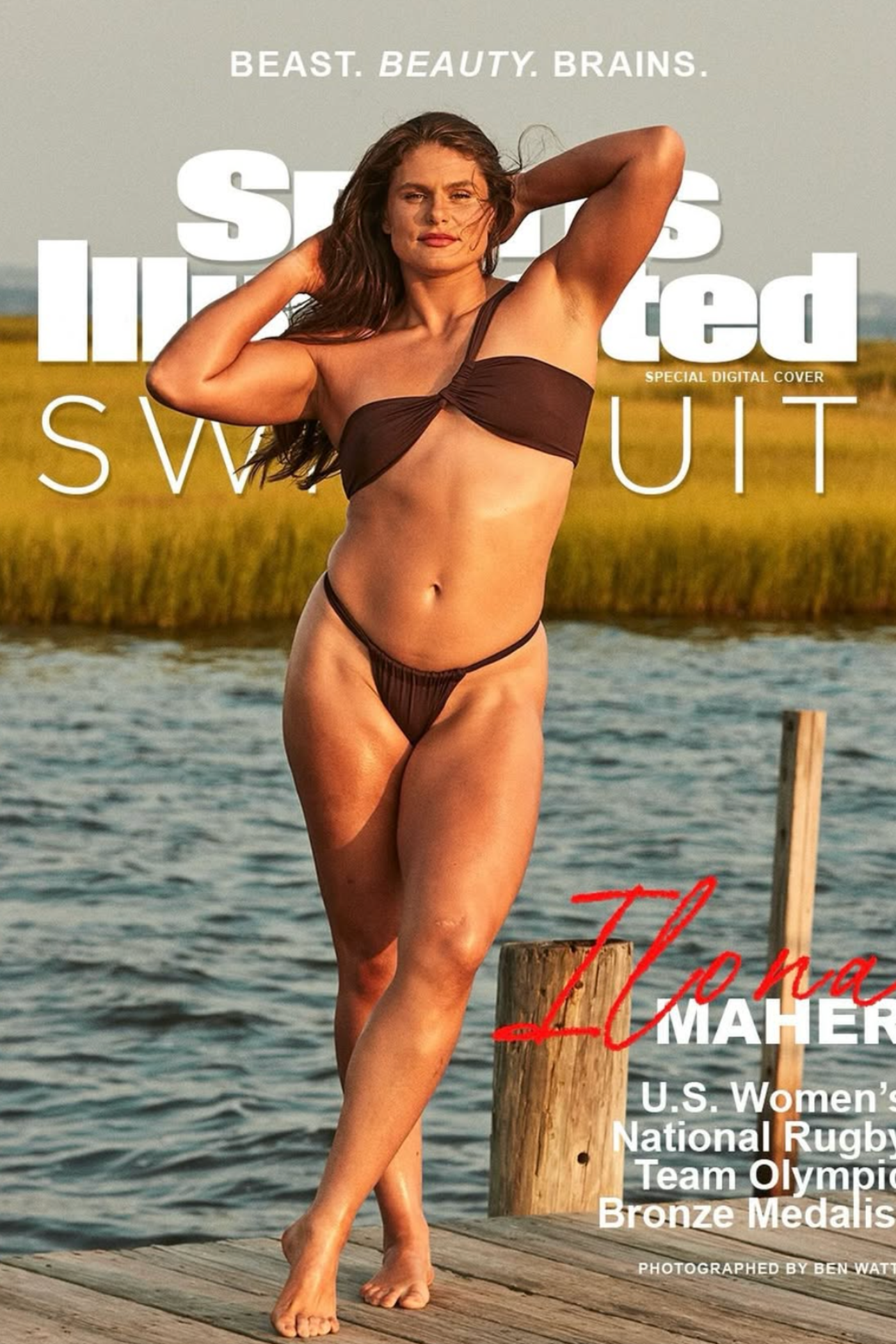
Let’s face it: we live in a culture that constantly pushes the narrative that women are “too much.” Too loud. Too big. Too full of ourselves. The latest trend for women is to shrink themselves as...
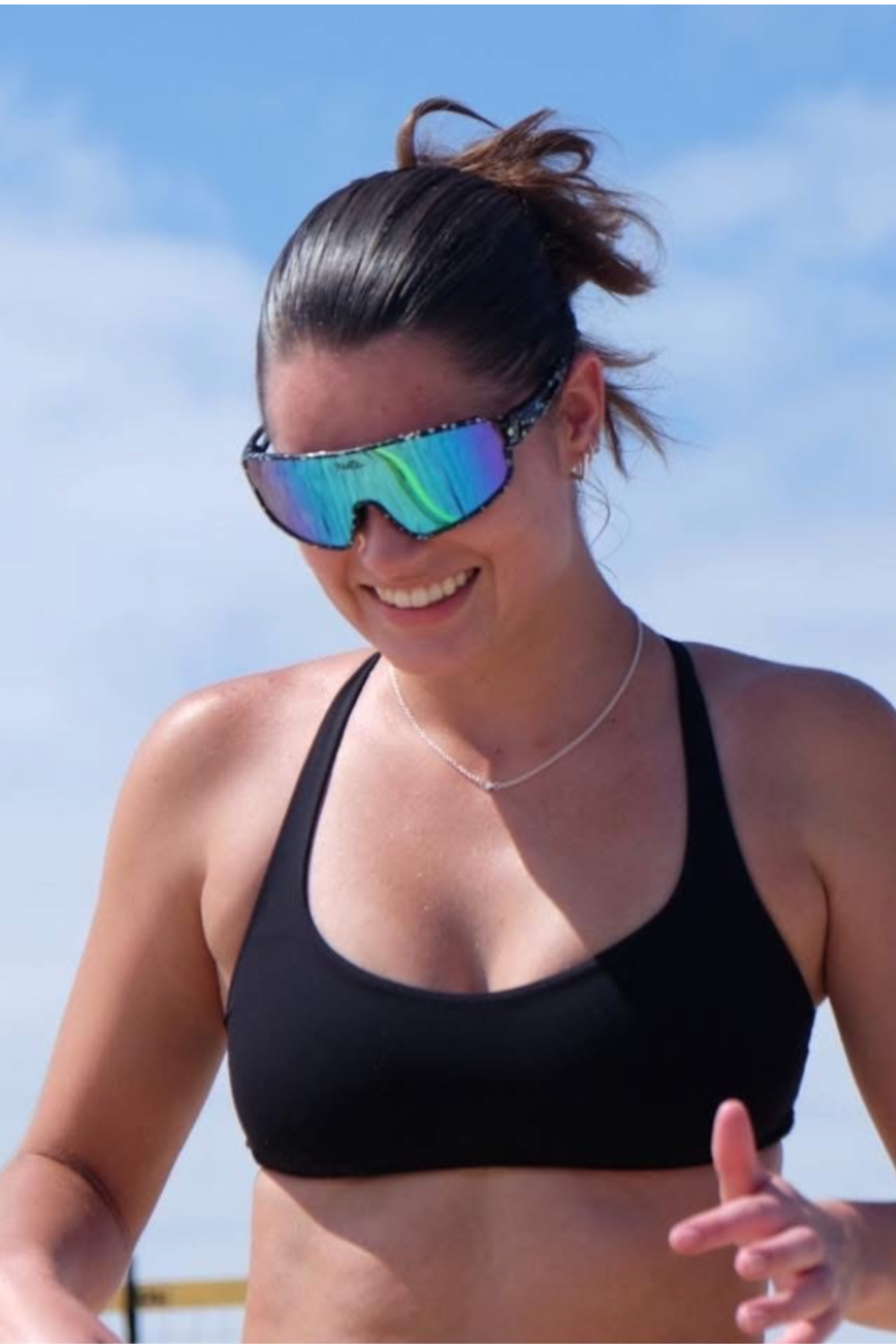
Robyn Voices: Marguerite Smith Marguerite Smith is a semi-professional beach volleyball player and IP Analyst at Cleary Gottlieb, where she combines her passion for innovation with a background i...

Navigating the Transition from College Athlete to Post-Grad Life The final buzzer sounds, senior night ends, and suddenly you're facing a reality you've been dreading: life without your sport. Fo...

Meet Kate Nowak! 👋 Kate is a multi-sport athlete from Hastings High School (MN), competing in competitive mountain biking, alpine skiing, cross country, and track. She races through the Minne...

We are so excited to introduce Robyn Athlete Voices: a space to amplify the stories of girls and women who are shaping sport from the inside out.


